Beyond the Headlines: Unpacking Davao’s Reputation as the Safest City
Davao City often makes national news for its economic growth, natural beauty, and, perhaps most consistently, its reputation as one of the safest cities in the Philippines. This isn't just a catchy tagline; it's a deeply ingrained aspect of life in Davao that residents and visitors alike often highlight. But what exactly underpins this perception? Is it merely a strong enforcement presence, or are there deeper societal and community-driven factors at play?
Moving beyond the simple declaration, let's unpack the unique elements that contribute to Davao's widely acclaimed status as the safest city, exploring both the visible measures and the less obvious cultural aspects that foster a secure environment.
The Foundations of Safety: Visible Governance and Law Enforcement
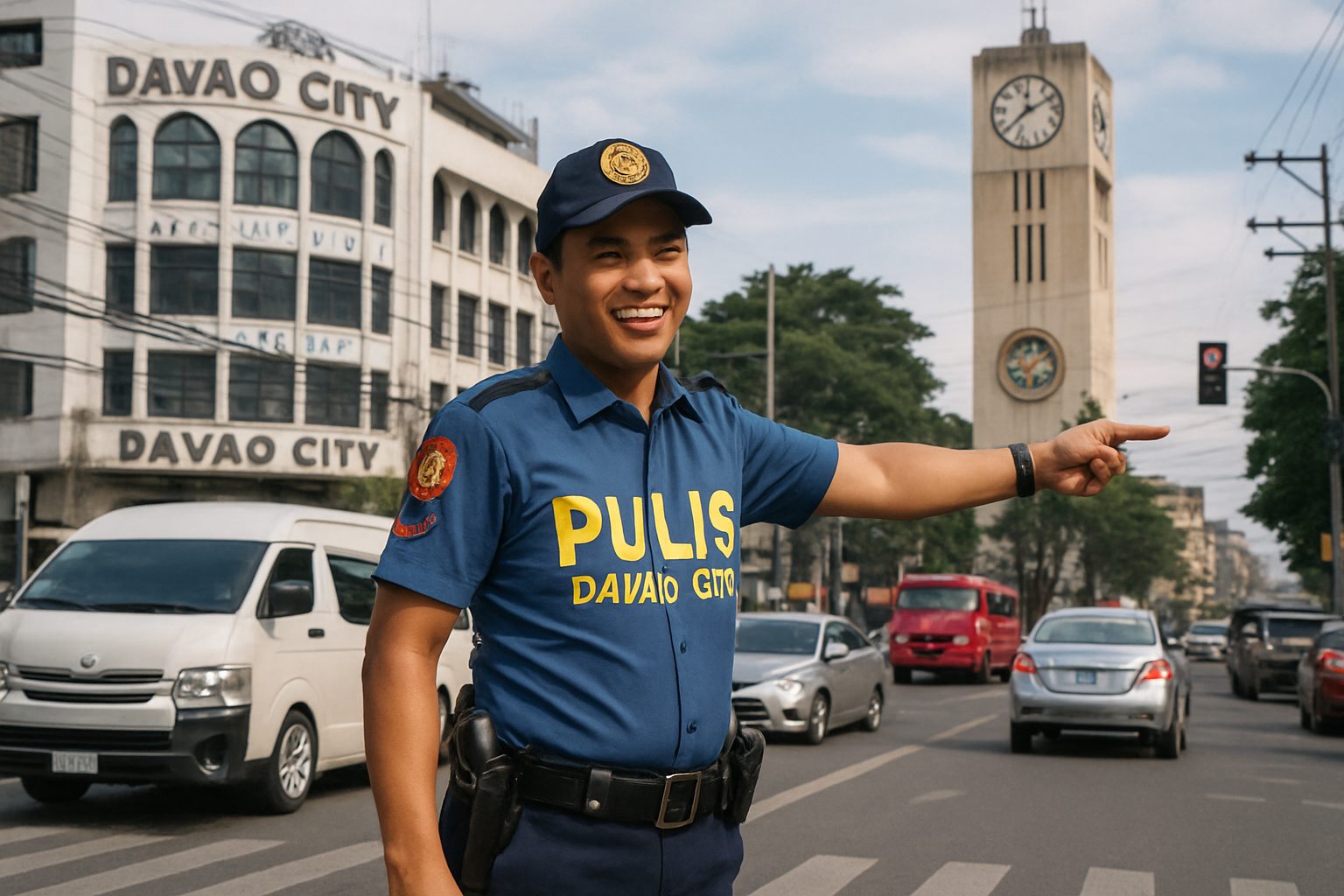
One of the most immediate and undeniable factors contributing to Davao's safety record is its robust approach to governance and law enforcement. The city has long been known for its strict implementation of ordinances and a proactive stance on crime prevention. This isn't just about reacting to incidents but establishing a clear framework for public order.
- Ordinance Enforcement: Davao City is known for its strict enforcement of local ordinances. These include a comprehensive smoking ban in public places, a liquor ban during specific hours, and a speed limit within the city, among others. While seemingly minor, these ordinances contribute to an overall sense of order and adherence to rules, which can ripple into broader public safety.
- Visible Security Presence: Throughout the city, there's a noticeable presence of law enforcement, whether it's police personnel, auxiliary units, or security guards in commercial areas. This visibility acts as a deterrent and reassures the public.
- Technology and Surveillance: Investment in CCTV cameras in key areas and a centralized command center help in monitoring public spaces and responding swiftly to incidents. This technological backbone enhances the city's ability to prevent and solve crimes.
- Emergency Response: Davao boasts well-coordinated emergency services, including fire and medical, which are crucial for public safety beyond crime prevention. Their efficiency contributes to the overall security net.
These measures are not unique to Davao, but their consistent and unwavering application has set the city apart. The emphasis on discipline and order has become a defining characteristic.
Community Engagement and Citizen Participation
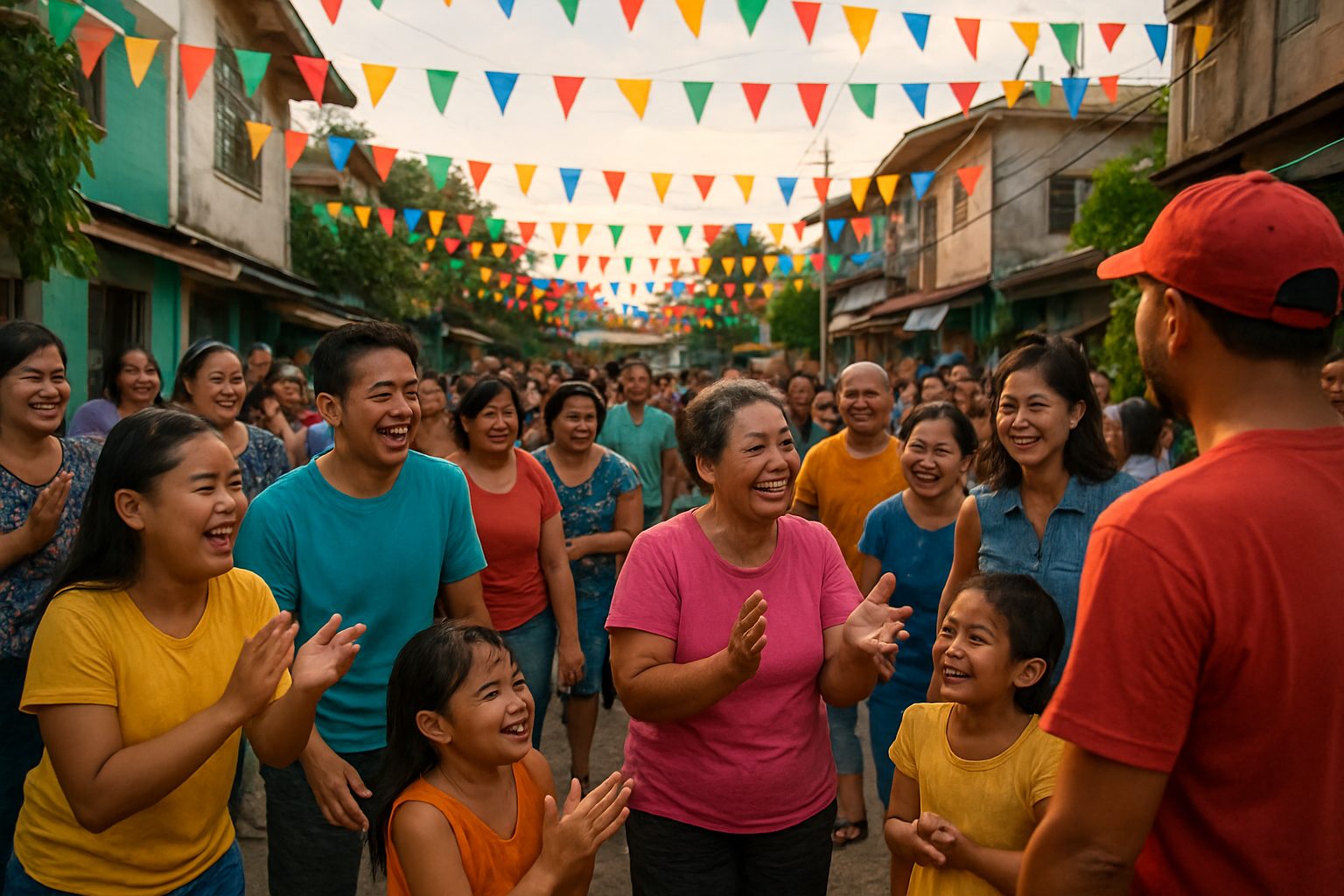
Beyond top-down governance, a significant aspect of Davao's safety is the active participation and cooperation of its citizens. A sense of collective responsibility often permeates communities, fostering an environment where vigilance is shared.
“Safety isn't just about police presence; it's also about a community that cares enough to look out for one another and adhere to the rules.”
Neighborhood watch programs, although sometimes informal, play a role. Residents are generally encouraged to report suspicious activities, and there's a perceived ease in accessing local authorities. This strong citizen-government partnership creates a feedback loop that enhances safety and responsiveness. Trust in local institutions empowers citizens to be active participants in maintaining peace and order, rather than passive observers.
Economic Stability and Opportunity
While often overlooked in direct discussions of safety, a stable economy and the availability of opportunities play a crucial, indirect role. Davao City has experienced significant economic growth and development over the past decades. This growth translates to more jobs, better infrastructure, and improved public services.
When there are more opportunities for legitimate livelihoods, the incentives for criminal activities often decrease. A thriving economy also means more resources are available for social programs, education, and infrastructure projects that indirectly contribute to a more secure and equitable society. While poverty exists, the overall trajectory of development in Davao has provided a foundation for reducing economic drivers of crime.
Cultural Factors and Social Cohesion
Perhaps the most subtle, yet powerful, factor contributing to Davao's safety is its unique social fabric and cultural dynamics. There's a strong sense of community and discipline that has been cultivated over time. This isn't to say Davao is without challenges, but there's an observable collective commitment to maintaining peace.
The city is a melting pot of various ethnic groups and religions, yet it largely maintains a harmonious coexistence. This social cohesion, fostered by various interfaith and cultural initiatives, helps mitigate potential conflicts and builds a more unified populace. Respect for local authority and a general adherence to social norms are often cited as cultural traits that contribute to the city's peaceful atmosphere.
Maintaining the Standard: Continuous Effort
The reputation of Davao as the safest city is not a static achievement but an ongoing commitment. It requires continuous effort from the local government, law enforcement agencies, and, crucially, the citizens themselves. As the city continues to grow and evolve, new challenges will undoubtedly arise, demanding adaptive strategies and sustained vigilance.
In conclusion, Davao's safety is a multifaceted success story. It's built on a bedrock of strong governance and law enforcement, empowered by active community participation, supported by economic stability, and underpinned by a unique cultural ethos of discipline and harmony. It serves as a compelling example of how a holistic approach can genuinely transform a city's environment into one of security and peace.


















Leave a Reply